


She has had locs since she was three, grew up wrapping them every school day, and once tried to comb them out just to fit in. Now Aziza is building a platform for the women who keep getting left off the panel. She talks about Rasta roots, the word “dread” and why locs are anything but the easy option.
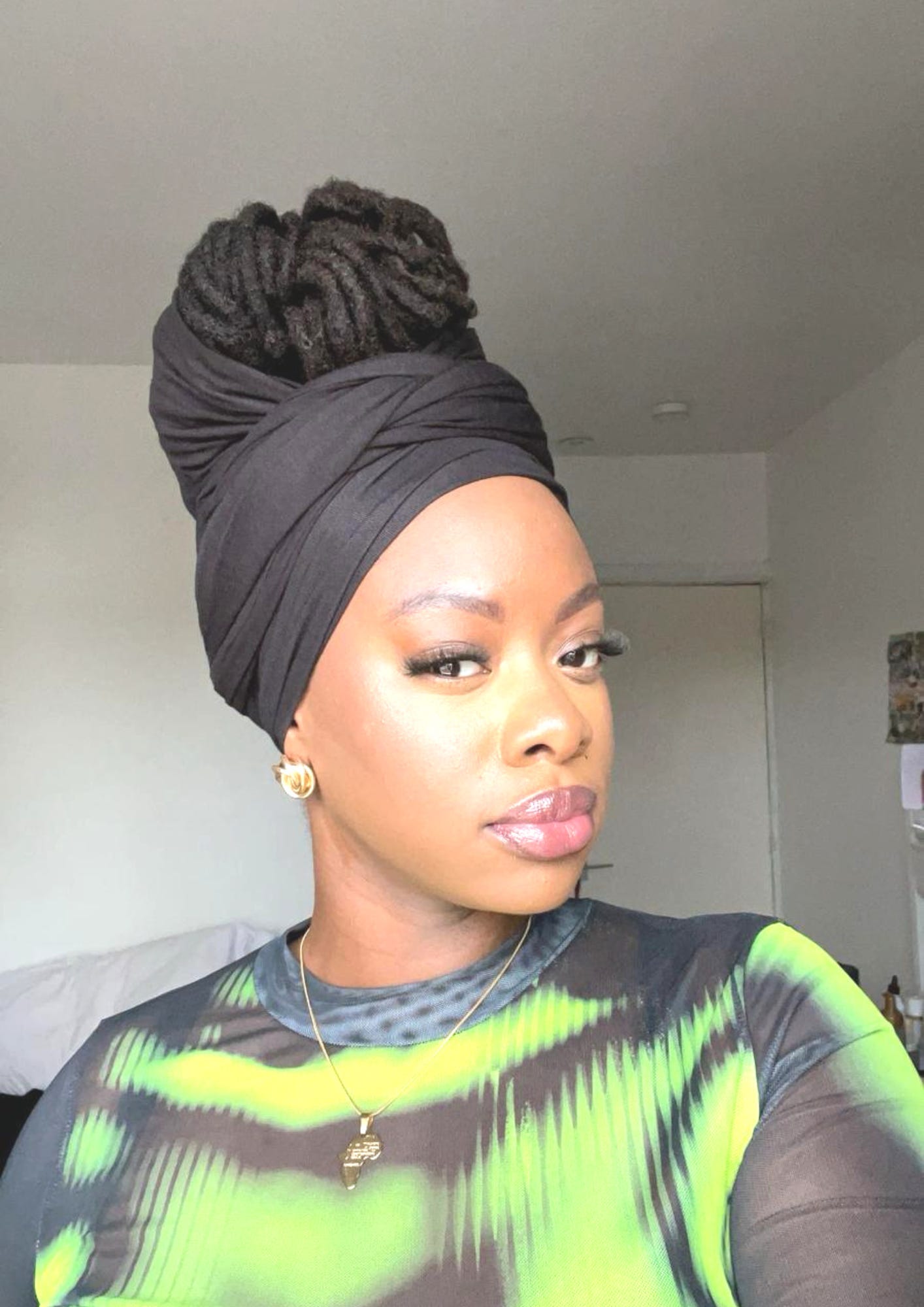
Walk through any London borough today and someone in the room will have locs. For Aziza, that’s a strange thing to witness. She grew up in a Rastafarian household where locs weren’t a look but a statement of faith and identity, and where wrapping your hair was simply what you did. Strangers on the street would greet her and her mother with a respectful tilt of the head, a hand to the chest, recognising an empress before they’d said a word.
These days she wraps her hair for work and lets it down for content, and she’s honest about the tension in that. She’s also on a mission to give women with locs what the beauty industry hasn’t: someone who looks like them, talking about what actually works. We spoke to her about where she comes from and what she wants the next generation to feel.
What’s your earliest memory of your hair meaning something beyond how it looked?
I was probably eight or nine. My parents are Rastafarians, and that carries a lot of weight when it comes to locs. I remember walking down the road with my mum and people giving us the hail, the head tilt to show respect, or the hand on the chest. It wasn’t just because our locs were wrapped. It was more, wow, this is an empress, she deserves respect. So from a very young age I knew that having locs meant something. It wasn’t just a hairstyle.
You’ve had them almost your whole life?
Since I was about three, so I’m not new to this. Locs are part of my personality. Growing up there were definitely moments when I was surrounded by people with all these different hairstyles, thinking, why am I not part of that?
How did school respond?
From Year 1 right through to Year 11, I wrapped my hair. My mum made sure of it, because in that culture wrapping your hair is essential. Today, for a lot of kids, locs are just a hairstyle. But because I came to school with my hair wrapped, everyone assumed I was Muslim. A young Black girl who covers her hair has to be Muslim, because there’s no other category. Then, once they realised I wasn’t, it became, “So why is she covering her hair? She doesn’t need to.”
My mum had to fight that with schools. Just because something isn’t your norm, or isn’t talked about much, doesn’t mean she has to be Muslim. Rasta culture isn’t dying, but so few young people are raised in it now that nobody makes room for it.
And at work?
Maybe it’s my personality, but I’m very confident in how I look, and nobody has ever told me to change it. When you own something completely, there’s no room for anyone to open their mouth. I still cover my hair for work, and no one has ever tried it with me.
What made you start creating content about your hair?
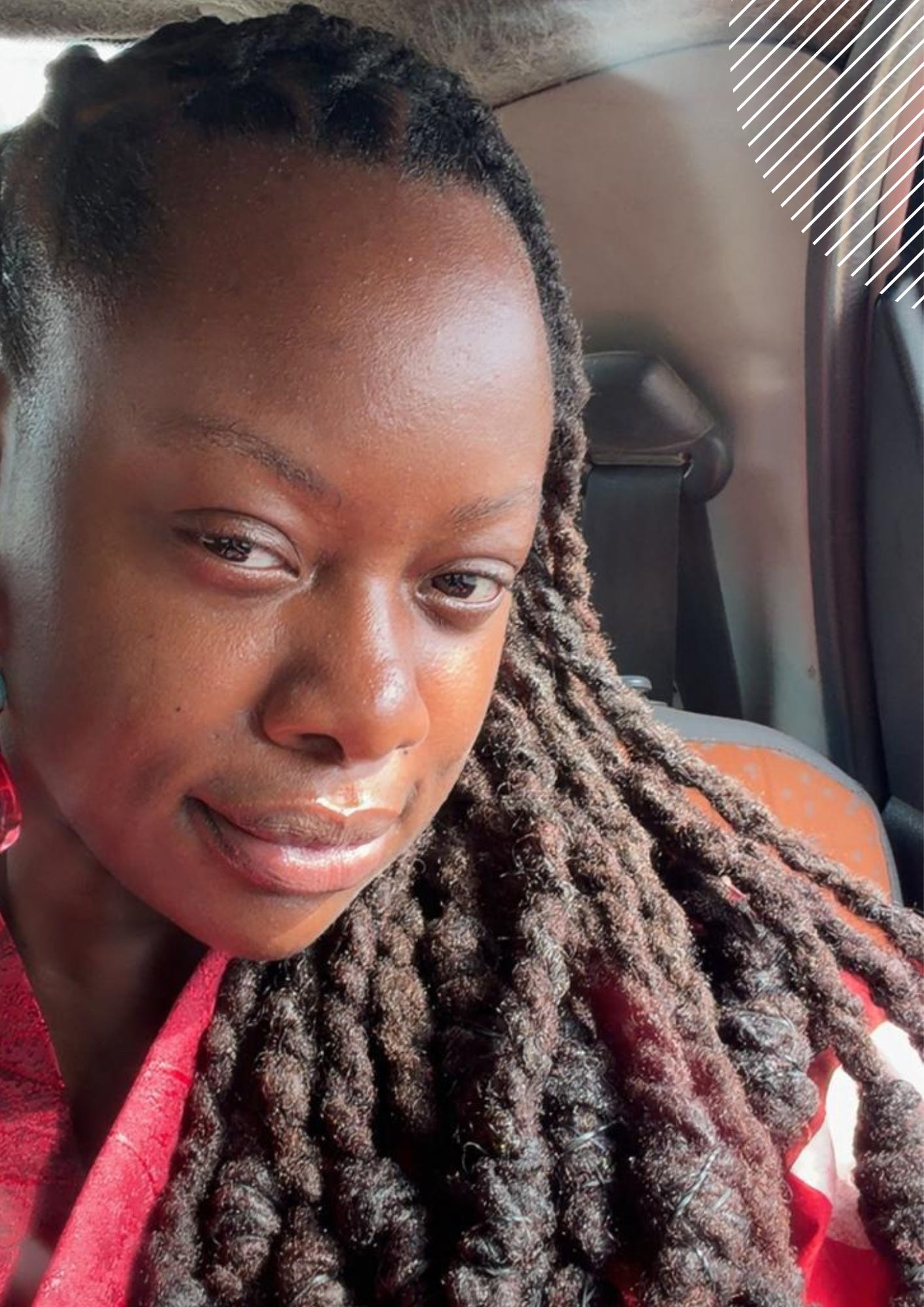
I enjoy people seeing the styles and learning what locs represent, and that’s the direction I’m heading in. What pushed me was an event celebrating Black beauty. They had makeup artists, and women with long natural hair talking about their journeys, their treatments and their products. Not one person on that panel had locs.
So I’m sitting there thinking, hi, I’m a girl with locs, what do you suggest for me? Nobody. That happens on panel after panel, so we end up working it all out ourselves. I want to build a platform that shows what locs mean, which products we should be using and how to look after them properly. Not just, “your styles are nice.” People ask me all the time how I maintain mine, and I can honestly say I have good locs because I look after them. If that’s what people want to know, I should share it. We’re not gatekeeping round here.
Who in your audience has surprised you?
Men, sometimes, asking about products and maintenance. Women without locs too. You see locs everywhere now, but I get a lot of women in my comments who clearly like the idea of them.
How do you feel about locs going mainstream?
The way they’re portrayed now is crazy to me, because where I grew up they actually represented something. My mum hates that I show my hair. She doesn’t agree with it, but I do as I do.
I’ve spent years covering my hair, but I don’t fully practise the Rastafarian faith, and I don’t want to half-commit to something I’m not doing properly. So I pick and choose. Some days I’m wrapped and natural, and some days I’m showing my locs with a full face of makeup, because I want to. Your environment shapes all of that. If everyone around me wrapped their hair and didn’t wear makeup, I’d probably be doing the same.
I’d love it if people getting locs knew the history first. Rasta women wear that crown high and proud, hair wrapped, not one loc showing. Now we’ve got fashion locs, and some of the meaning has gone. I play a part in that too, I’m not going to pretend otherwise.
You’ve been careful to say “locs” rather than “dreadlocks”.
Deliberately. Many people believe “dreadlocks” goes back to colonial times, when natural Black hair was described as “dreadful” to make it something to fear. So we’re moving towards “locs”, which strips that stigma away. A lot of people don’t know any of that history. They just follow the trend.
So where’s the line between appreciation and taking?
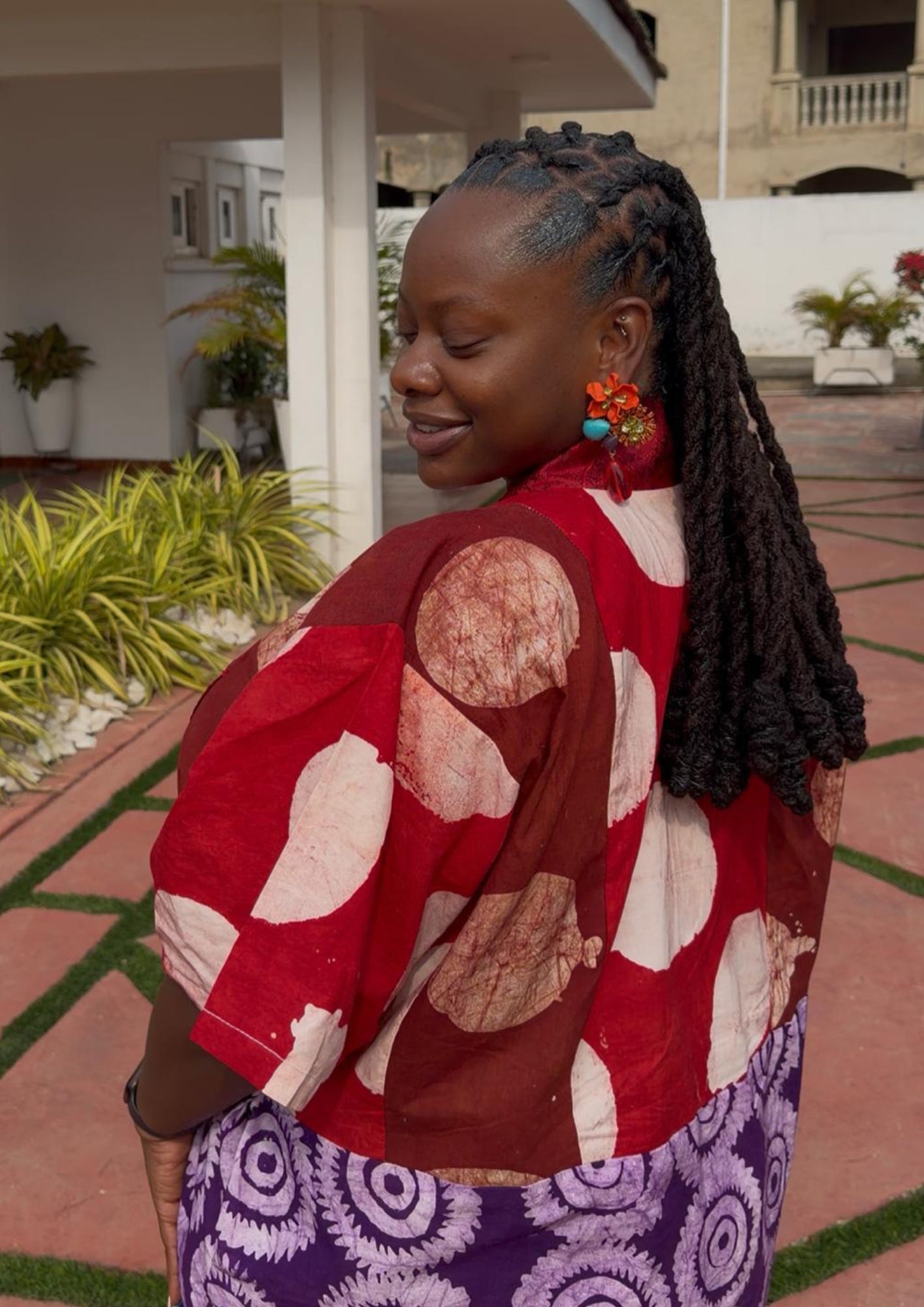
Honestly, I think we fight for the wrong things as Black people. If Kylie Jenner posts with braids tomorrow, the comments will be full of people shouting that she’s taking our hairstyles. Meanwhile, plenty of Black women are wearing straight blonde wigs. So who’s taking whose hair? I don’t wear wigs or extensions myself, so I’m outside that conversation in a way, but I notice it. Appreciation doesn’t have to come through hair. It can be clothes, food, music, movement. There are other ways.
The UK has seen campaigns against hair discrimination in schools and workplaces. Has anything really shifted?
I’m not sure it has. We forget how recent all of this is. Discrimination was very much in our parents’ lifetimes, our grandparents’ lifetimes. That’s why children are still having their hair cut at school because they have locs. If it wasn’t so close to home, would anyone think they could take scissors to a child’s hair? That’s what we should be fighting about, much more than celebrities in braids.
What do you want a young person to feel when they see your content?
Seen. A couple of days ago I was walking through Tottenham, headphones in, and a man got out of a parked van holding flowers. He handed them to me and said, “These are for you. I go round London giving flowers to women who wear their natural hair.” The same thing had happened to my cousin a few months earlier.
It was lovely, and it also made me sad. Why am I being celebrated for wearing my own hair? Nobody hands a white woman flowers for wearing hers. He told me Black people spend billions every year buying other people’s hair. I have friends with long, healthy natural hair who still straighten or relax it. That’s trauma. We’ve been taught that Black hair isn’t nice unless it’s straight, or curly in a particular way, and never kinky or tight.
So I want people to watch my content and think, she actually owns it. Because when you don’t own who you are, you just become like everybody else.
Did you always own it?
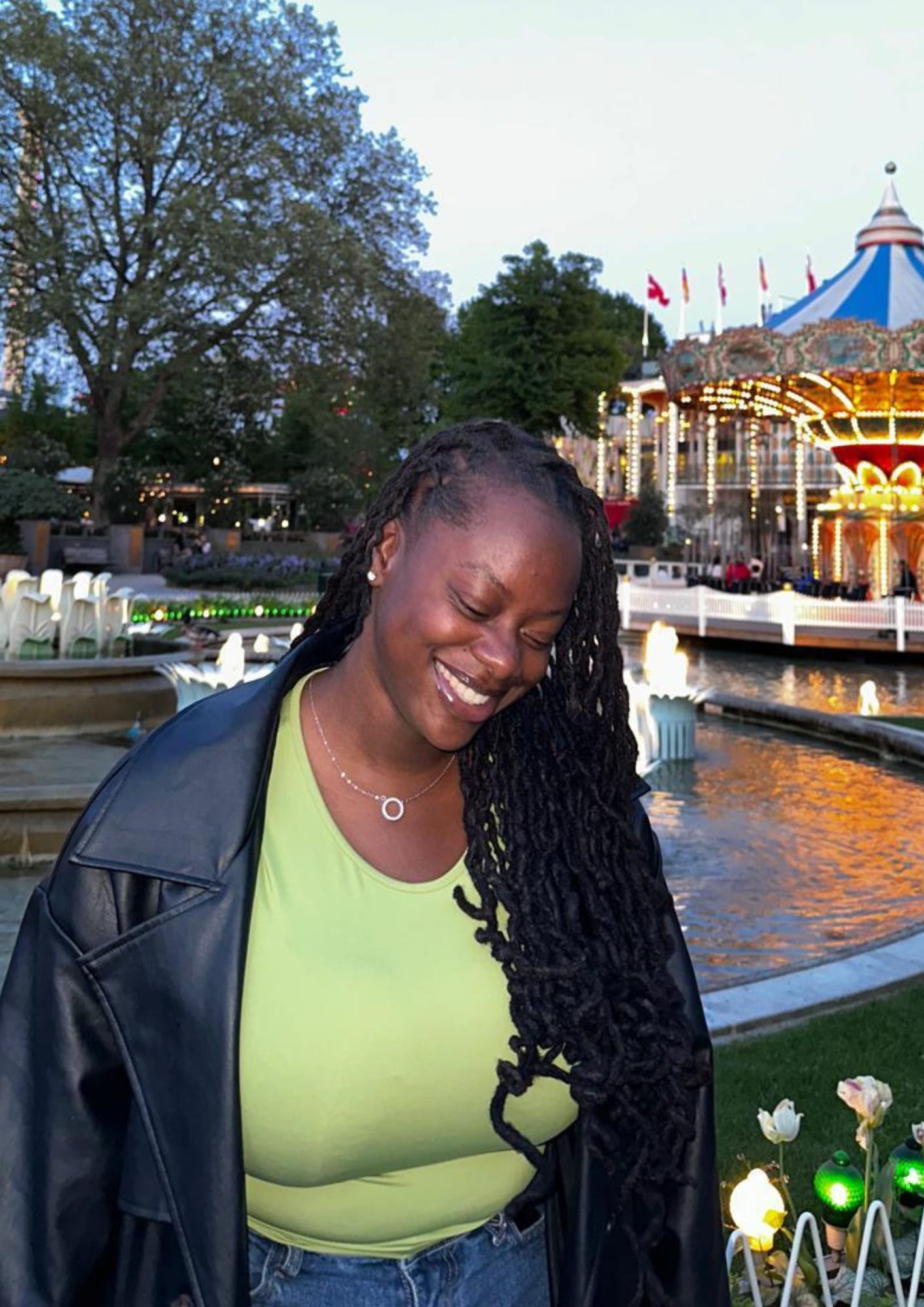
No. I grew up in a diverse area where I was the only young person with locs. “Aziza with the locs,” that was me. At one point I started coming home from school and combing them out. My mum found out and asked me why, and I just didn’t want them, because nobody like me had them. When you’re the outcast, you want to fit in. That’s around when I started going to the salon, maybe Year 8 or Year 9, and learning what it meant to really look after locs. That’s when I began to appreciate them.