


In late September an independent commission found Manchester City guilty of almost all of the 115 charges brought against them by the Premier League. The panel found that the club had arranged “sham” contracts and inflated its revenue by more than £900 million. Richard Masters, the league’s chief executive, said City “systematically broke Premier League rules for nearly a decade.” City have always denied wrongdoing, have said they are “disappointed and surprised”, and intend to fight the ruling. Their sanctions will be decided at a separate hearing.
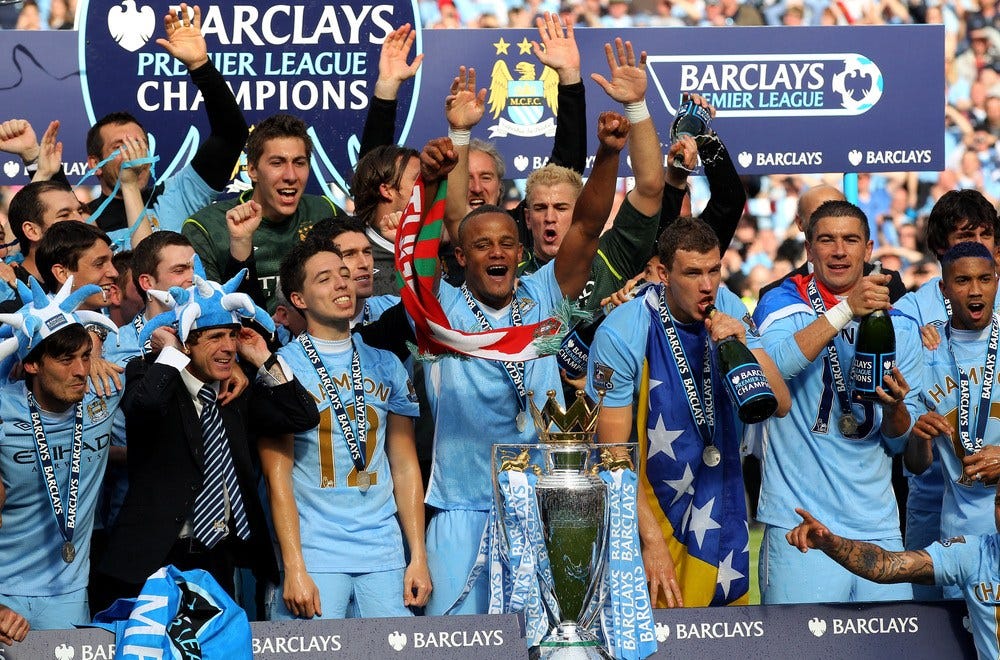
The verdict lands at the end of the most successful era in the club’s history, and one of the most dominant runs English football has seen. Since Sheikh Mansour’s Abu Dhabi group bought City in 2008, they have won the title again and again, and they lead the table once more this season. Fans now have to ask how much of that success was built within the rules.
A reputation worth billions
The Premier League is the most commercially successful football league in the world. According to Deloitte, its clubs generated £6.8 billion in revenue in 2024/25, nearly double the figure for La Liga, its nearest rival. Much of that pull comes from its reputation as the most competitive league in Europe, a place where any team can beat any other and where the best players want to play. It is one of the UK’s most valuable cultural exports.
That reputation rests on a simple promise: everyone plays by the same rules. The league has enforced its profit and sustainability rules (PSR) against other clubs in recent seasons, docking points from Everton and Nottingham Forest and fining Chelsea over undisclosed payments from the Abramovich era. If City are punished lightly, the message to fans is that some clubs live under a different rulebook.
One rule for them
Nowhere is the contrast sharper than at Newcastle. Since the Saudi takeover in 2021, the club has tried to build a side that competes for trophies. Under Eddie Howe they ended a 70-year wait for a domestic trophy by winning the 2025 Carabao Cup. Since then, the spending limits have bitten. Newcastle had to sell key players to stay within PSR, and in July Howe walked away as the squad he had built was broken up.
City, meanwhile, appear to have had no such worries. ESPN reports that the club learned of the guilty verdict in July, and then spent more than £450 million on new players over the summer. Nobody expects every club to have the same spending power. Every club should, however, be held to the rules it signed up to.
What happens next
There is plenty of speculation about what City’s punishment will be and when it will arrive. Some expect a points deduction this season, while others warn that appeals could drag the case on for years. Either way, the league’s credibility is now riding on the outcome.
The Premier League will remain a commercial giant whatever happens. The real damage is harder to measure: it shows up in how a generation of fans, from the terraces down to grassroots football, comes to view the game. If the verdict survives appeal, the question is what punishment would convince them that the rules really do apply to everyone.