



Anger has a reputation problem. It is the emotion we are told to count to ten before acting on, yet it has powered many of the movements democracies now celebrate, from the suffragettes to the civil rights marches. Today it seems to be everywhere: in strikes and street protests, fiercely contested elections and the endless churn of political argument online. Events across Europe and the United States show how difficult it is to file anger neatly under healthy or corrosive. Frustration can mobilise citizens who feel ignored by political institutions, but once it escalates into hostility and violence, it risks damaging the very democratic space through which grievances might be addressed.
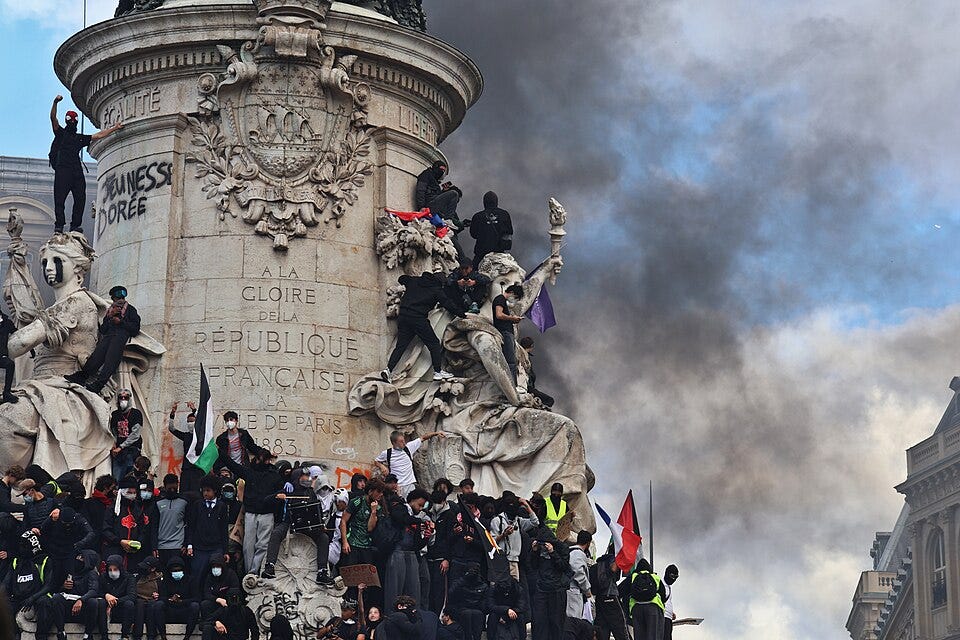
France provides perhaps the starkest recent example. In September, workers across multiple sectors took strike action over pay, fuel prices and potential austerity measures. In mid-September, Reuters reported significant participation among energy workers alongside demonstrations by other professions as the French government prepared a difficult budget. Mobilisation of this kind is a conventional democratic mechanism, allowing citizens to communicate their dissatisfaction with economic policy collectively.
By October, however, separate student protests over staff shortages and crumbling school buildings had escalated sharply. Reuters reported fires at schools, the burning of a fire engine and an attack in which a headteacher was doused in petrol. The French government condemned the violence while acknowledging concerns about conditions in education. The contrast is telling: anger may first draw attention to overlooked problems, but violence quickly shifts that attention away from the grievance and towards questions of public order.
A similar tension emerged in Northern Ireland in late September. Around 2,000 protesters blocked an Orange Order march through a Catholic area of Portadown after a court decision reopened a dispute over a route restricted for almost three decades. Police stood between protesters and marchers while political representatives tried to broker a compromise. Here, democratic anger becomes considerably more complicated. Protest gives citizens a way to express strongly held concerns, yet democracy also requires tolerance for the civil liberties of groups with whom they profoundly disagree.
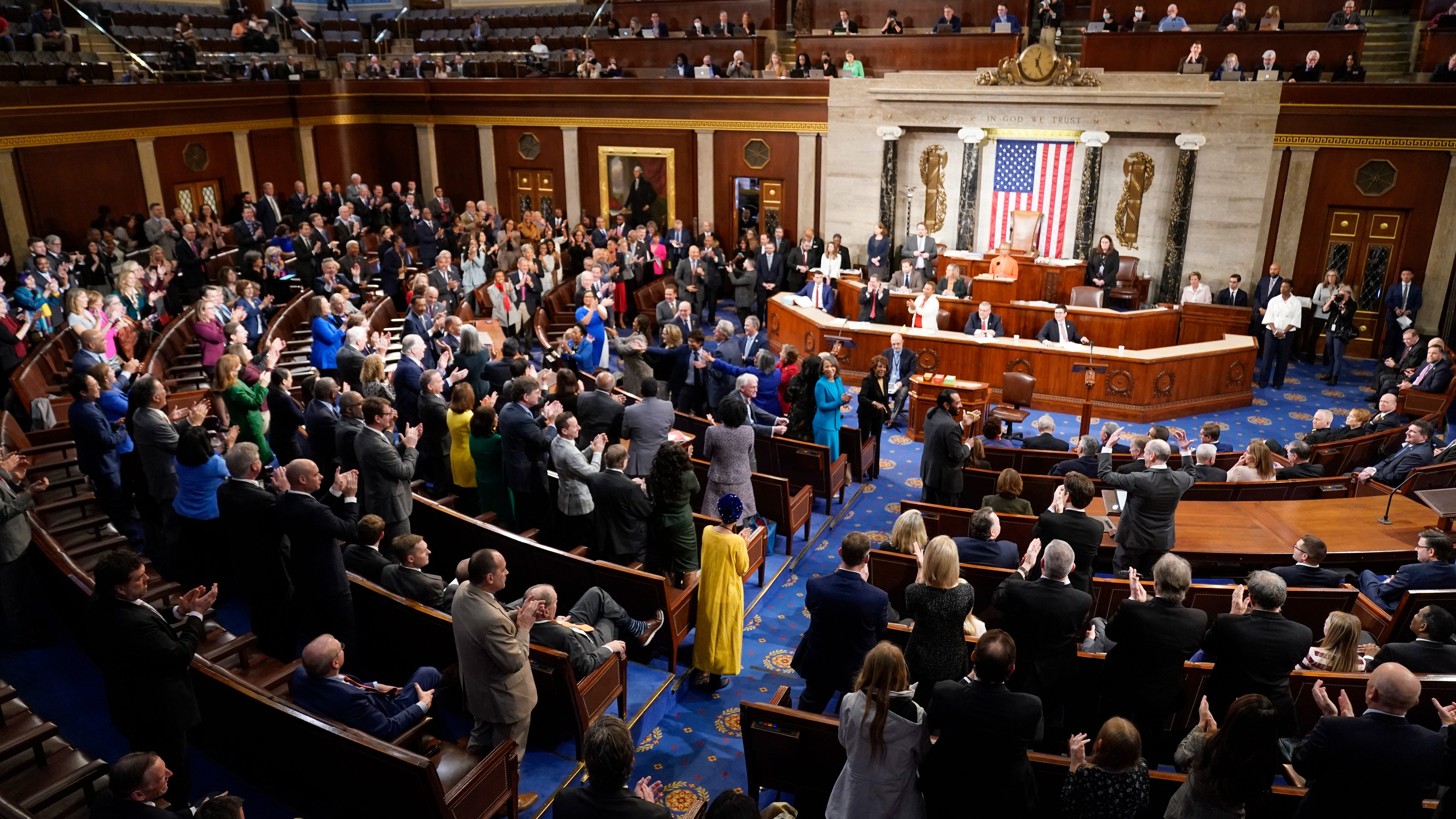
The dilemma extends well beyond street demonstrations. In the United States, public frustration over stock trading by members of Congress has simmered for years. On 30 September, the Senate blocked legislation intended to introduce further restrictions, although the disagreement centred partly on whether the proposal went far enough and on additional voting provisions attached to the bill. Disputes like this show why political anger cannot simply be dismissed as irrational hostility, since it often grows from a genuine sense that institutions are not responsive or accountable enough.
The crucial distinction may lie between anger at political circumstances and hostility towards political opponents. Research published in 2026 found an association between affective polarisation and greater intolerance of opponents’ civil liberties, including their freedom of speech and right to protest. Other recent research, however, suggests that political antipathy does not automatically translate into support for violence or intolerance.
Ultimately, anger is neither inherently democratic nor anti-democratic. Directed at inequality, institutional failure or political exclusion, it can turn frustration into participation and pressure institutions to respond. Once citizens stop treating opponents as fellow participants in democracy, anger risks becoming something far more destructive. The democratic challenge is therefore not to eliminate political anger, but to build credible institutions through which it can be converted into peaceful participation, accountability and reform.
Zohaib Sadiq
Connect with us on socials
Website | Twitter (X) | Youtube | Linkedin | Tiktok | Facebook | Mailing List