At 22, with no job, a business barely off the ground and his mum begging him not to, Jordan Kuponiyi started growing his locs. Now African aunties are among his most loyal followers, and some of them are letting their sons grow their hair too.
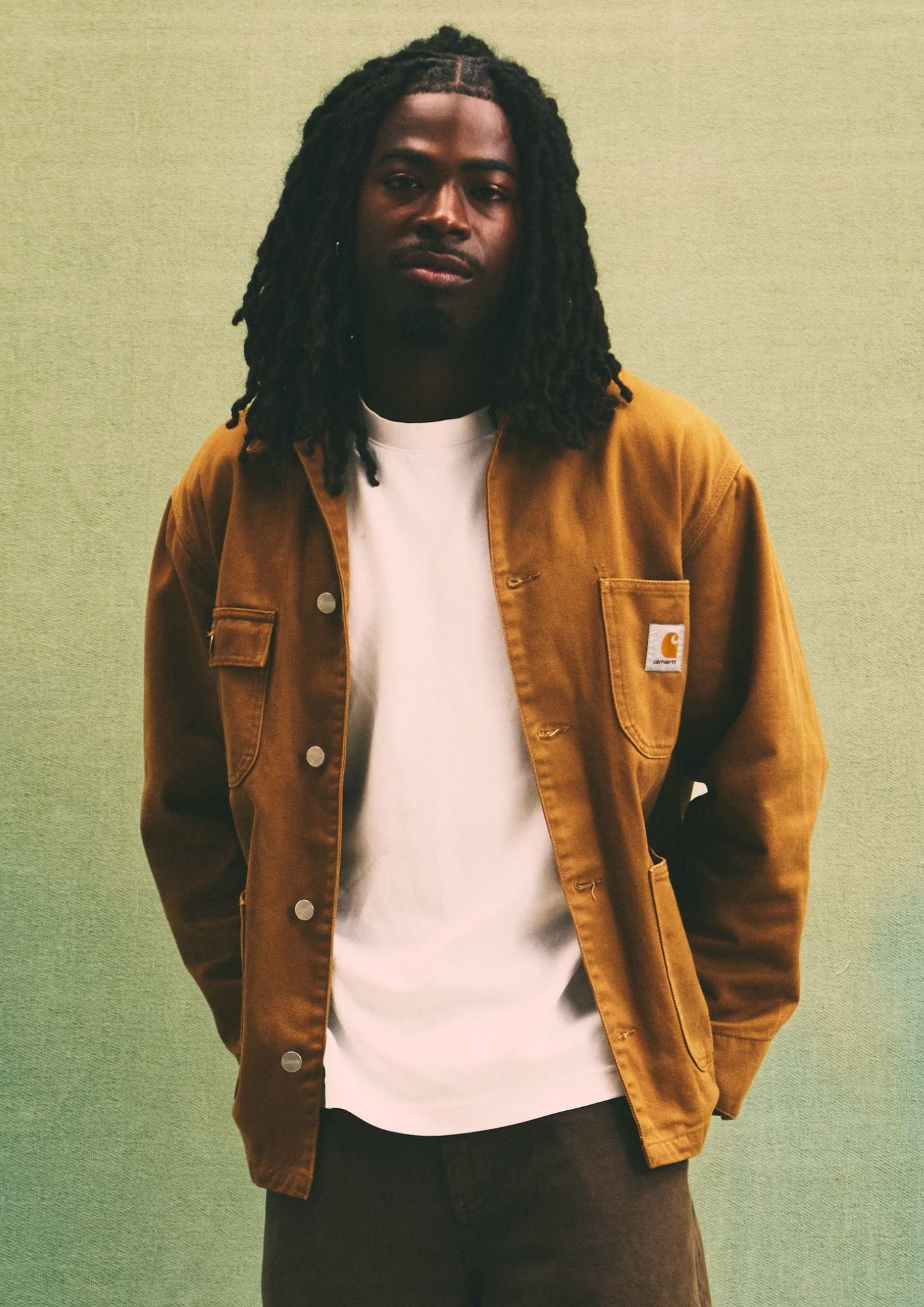
Jordan grew up hearing that long hair was untidy and locs were unprofessional, from aunties, elders and church. He was even suspended from school for letting his hair grow too long. Today he makes content about the history and meaning of Black hair, and the people who once told him to cut it are watching. We asked him how that happened.
What’s your earliest memory of your hair meaning something beyond how it looked?
Lauryn Hill, in the Fugees era. Seeing her freeform locs, the way she expressed her faith in Christ and carried herself, really meant something to me. She challenged the beauty standards I was used to. Then my interest in ancient Egypt made me ask how we’d arrived at this Western idea that short hair signals success and long hair suggests the opposite. Where did that come from, and why had so many of us accepted it?
Were you told your hair was “unprofessional”?
Constantly, especially by family and friends. From a young age I heard it from aunties, relatives and people at church. Locs were untidy, unkempt, and if I wanted to succeed I needed to grow up and cut my hair. When you hear that repeatedly from people you respect, it shapes what you believe you need to look like to be taken seriously.
At school, even a fade could be a problem. I was suspended because my hair had grown too long, while white pupils seemed to have much more freedom. It felt like I was crossing a line just by wanting the same thing.
So what made you grow locs at 22?
Honestly, life wasn’t going well. I was struggling to find a job, my business was in its infancy, and my mum was strongly advising me against it. It was an uncertain time, and that’s when my loc journey began.
What did you want people to get from your content?
I wanted to show how much meaning our hair carries: its links to identity, wisdom, wealth and status in different traditions. Learning about that made me question so much of what I’d been taught. So many of us inherit negative ideas about our hair before we’ve had the chance to explore it for ourselves. I wanted people to feel confident enough to embrace themselves unapologetically.
Is there a message from your audience that’s stayed with you?
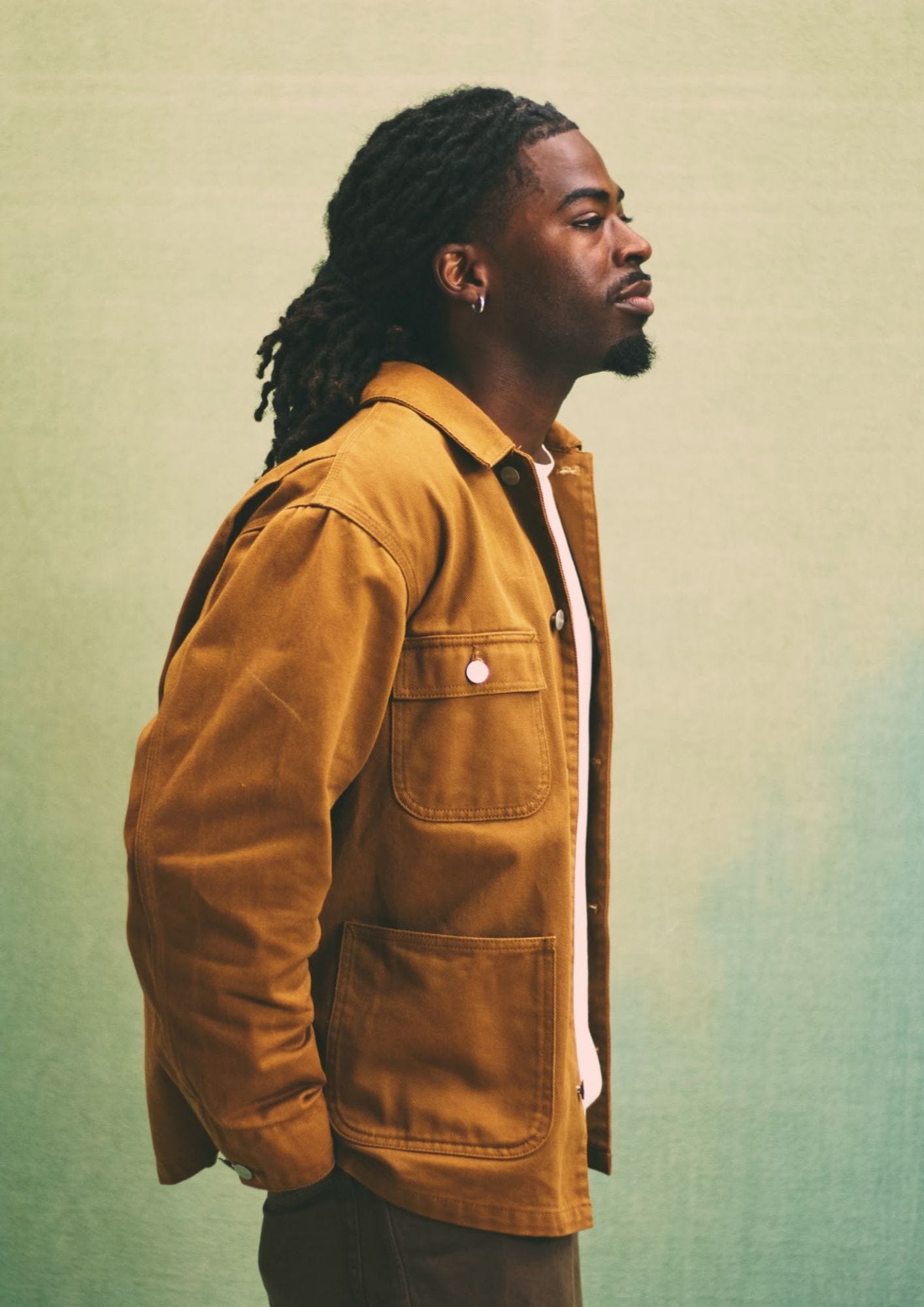
A Kenyan mother with three boys. She’d been following my journey, including how I am with my family, and told me it had changed her perspective. She was going to let her boys grow their hair, and she invited me to Kenya to mentor them. Seeing my content change how a parent understood her children meant a lot.
Who in your audience has surprised you?
African aunties and mums, definitely. Given the attitudes I grew up around, that’s surprised me most. Some have completely changed their stance. Others still have their preferences, but they’re letting their children grow their hair. I think they’ve seen that locs don’t have to stand in the way of success.
Where’s the line between appreciation and taking?
I’m happy to see Black hairstyles embraced more widely, but there’s a double standard. A Kardashian wears cornrows and it’s called bold and innovative. A Black woman wears the same style and gets called ghetto or unprofessional. Appreciation has to include respect for the people and the culture behind the style.

What do outsiders get wrong about locs?
That they’re dirty, or that we don’t wash them. Locs are hair, and we care for them. People also confuse a fresh retwist with cleanliness, when that’s just what our hair looks like as it grows. Our hair doesn’t need to be straight to be considered cared for or beautiful.
What do you want a young Black person watching you to feel?
That their hair is an extension of who they are, and that they’re free to enjoy it and experiment with it without it becoming a political statement or a reason to be treated like a criminal. Our natural hair is part of how we’re made. If you’re saying the hair that grows out of our heads is inherently unprofessional, what are you really saying about us? This is how God designed us, and we should be allowed to embrace that.