


Good morning,
Should Britain pay reparations for slavery? We published this video this week, thinking it would be a good way to add something constructive to the debate that has been taking place in the UK. Political leaders have weighed in, and the King has weighed in. We thought a serious video exploring the pros and cons, as well as the for and against arguments about reparations, would be in the public interest.
What I didn’t expect was a barrage of vitriolic comments, some removed for being blatantly racist and others just seeming to miss the point completely. It made me reflect more deeply on the state of public discourse in the UK: the fact that there appears to be no place where you can critically engage with ideas without it feeling like a zero-sum game, where one side must win and the other must lose.
Here’s an example of some of the comments one of the reels we posted received:

At the Common Sense, we are, of course, not wallflowers. Nearly a decade of doing this prepares you for any kind of comment, but my deeper worry is the state of critical thinking and general discourse. It seems now more than ever we need places where people can actually interact with the pros and cons of a debate without being insulted or called names.
There are actually merits to a range of perspectives around the reparations debate. My aim is that people would engage and choose where they land, but not demonise someone who has a different perspective. Here’s the full video in question.
Watch it below, then tell me in the comments where you land and why.
M.T. Omoniyi

Israel is still trying to settle on its next prime minister.
A month after an election that handed nobody a majority, Gadi Eisenkot is building a government one signature at a time. The former army chief, whose Yashar party won 21 seats, has until 6 December to finish the job, with a two-week extension available if he asks for it. Avigdor Lieberman’s Yisrael Beiteinu agreed a deal on Tuesday, and Yair Golan’s Democrats followed on Thursday, collecting four ministries two days after walking out over Yashar’s parallel talks with Likud.
That leaves Naftali Bennett, who hasn't signed yet and is pushing for a unity government with Likud. Even with him on board, the bloc reaches only 48 seats, well short of the 61 needed. The remaining arithmetic runs through the ultra-Orthodox United Torah Judaism, which wants a deal on conscription, and possibly Ra’am, whose leader Mansour Abbas predicts his party will be included. Should Eisenkot fall short, Netanyahu, still caretaker prime minister, gets the next chance to form a government.
If Voting Matters, Why Do So Many Citizens Feel Powerless? // Zohaib
Zohaib looks at the gap between having a vote and feeling heard. One OECD survey found 68% of people believe voting can influence government, but only 31% feel the system lets people like them have a say. His argument is that elections alone can't carry the weight of democracy.


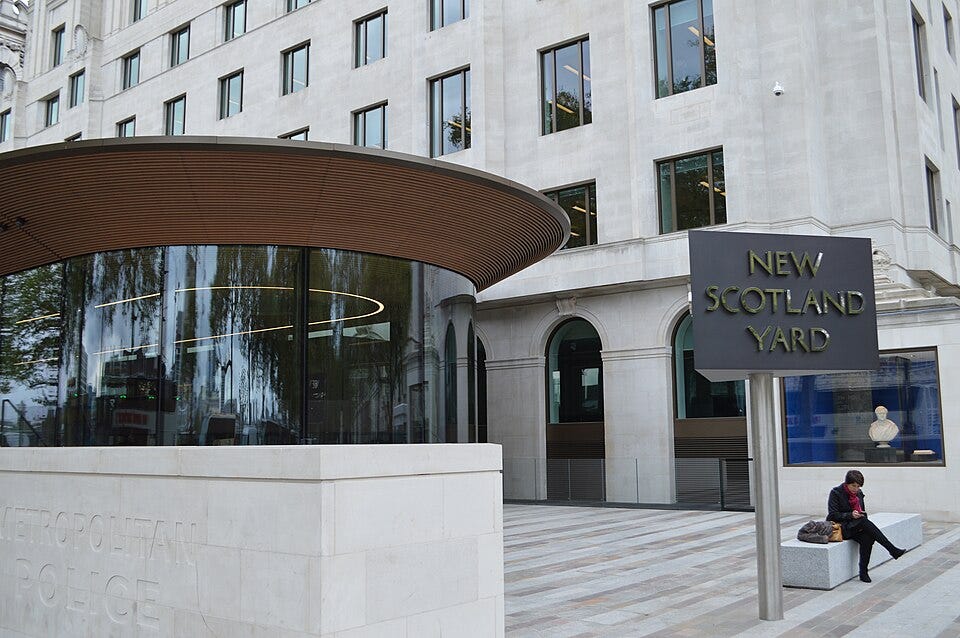
The Met is still institutionally racist, misogynistic and homophobic, review finds
A review has found London's police force made little progress in the three years since Baroness Casey's 2023 report.
The review, led by Dr Gillian Fairfield and published on Wednesday 25 November, found the Met made no "good" progress on any of Casey's recommendations, and judged that the force remains institutionally racist, misogynistic and homophobic. Only 44% of officers felt confident raising concerns about a senior officer.
The Met accepted all of the review's recommendations. Commissioner Sir Mark Rowley pointed to higher standards and 1,800 officers and staff removed in an integrity drive. London Mayor Sadiq Khan said there should be no spin or cherry-picking of the findings.
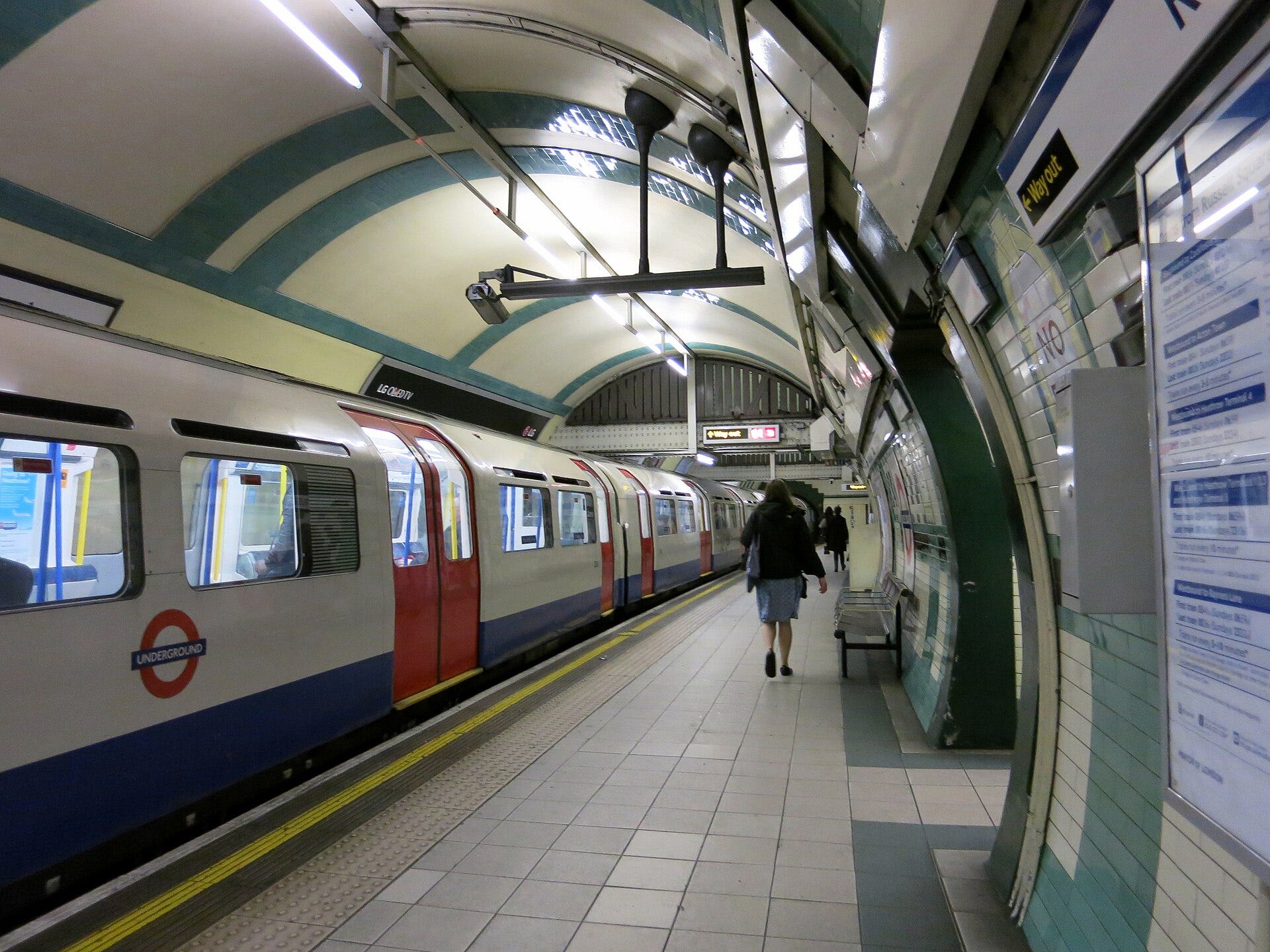
Tube drivers begin the first of eight strikes
RMT Tube drivers walked out this week, the first of eight 24-hour strikes running into February.
The strike runs from 12pm on Thursday 26 November until 11.59am today. The dispute is over a proposed four-day week. The RMT says drivers would lose existing protections whether they work four or five days. Aslef, the other drivers' union, backs the change and says it would cut rostered hours from an average of 36 to 34.
TfL says the change would be voluntary and would mean fewer hours overall. The next strike dates are 17 and 19 December.

A new season of the Common Sense podcast is coming soon. Subscribe on YouTube so you don't miss the first episode.
Have an amazing weekend,
Tunji Adeoba
Social and Creative Lead
Connect with us on socials
Website | Twitter (X) | Youtube | Linkedin | Tiktok | Facebook | Mailing List